






Good vibes good life
Nov 03, 2026 Ritu Suhag
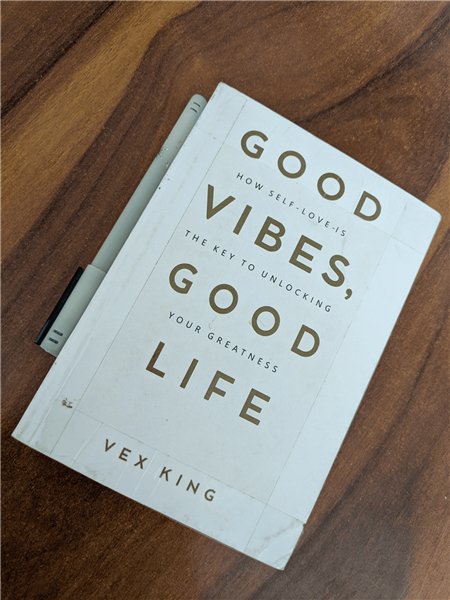
Good vibes good life
Good Vibes, Good Life – Detailed Chapter-Wise Summary
Genre: Self-help, personal development and spirituality
Core message: Love yourself, change your mindset, protect your peace and create a meaningful life.
Part 1: A Matter of Vibes
Central idea: Your energy influences your life.
The author explains that our thoughts, emotions and attitudes influence the way we experience the world. When we constantly think negatively, we start noticing only problems, failures and disappointments. On the other hand, a positive mindset helps us recognise opportunities and deal with challenges more confidently.
Having good vibes does not mean pretending that everything is perfect. It means accepting difficult situations without allowing them to control our entire lives. We cannot control every event, but we can gradually learn to control our reactions.
The author encourages readers to become aware of their thoughts and emotional patterns. We should avoid spending too much time with people who constantly criticise, discourage or drain our energy. Instead, develop relationships that encourage growth, kindness and happiness.
Real-life example:-Imagine two people who fail an important examination.Person A thinks, "I am useless. I will never succeed."
Person B thinks, "I made mistakes, but now I know what I need to improve."Both experienced the same failure, but their thinking creates different possibilities for the future.Practical exercise:
Notice your negative thoughts.
Replace self-criticism with constructive thinking.
Spend time with encouraging people.
Practise gratitude every morning.
Focus on what you can control.
Life lesson: Your circumstances may influence your mood, but you can work on choosing how you respond to them.
Part 2: Positive Lifestyle Habits
Central idea: Small daily habits create a happier and healthier life.
Vex King explains that happiness is not something we should wait for. We can create it through our everyday habits and choices. The way we start our morning, the people we communicate with, the content we consume and the activities we perform all influence our mindset.
One important lesson is to practise gratitude. Instead of constantly thinking about what we don't have, we should appreciate what is already present in our lives. Gratitude helps us recognise the positive things that we often take for granted.
The author also encourages meditation, healthy eating, physical activity and spending time in nature. Another important habit is avoiding unnecessary negativity, gossip and arguments. We should be careful about what we allow into our minds.
A positive lifestyle does not require expensive things or a perfect routine. Even small improvements, when practised consistently, can make a significant difference.
Real-life example:
Imagine waking up every morning and immediately checking Instagram. You see people travelling, earning money and enjoying luxurious lifestyles. You begin comparing your life with theirs and feel dissatisfied.
Now imagine starting your morning with ten minutes of meditation, reading a few positive lines and planning your day. You will probably feel more focused and peaceful.
Practical exercise: Create a morning routine.
Wake up at a fixed time.
Avoid your phone for the first 20 minutes.
Write down three things you are grateful for.
Spend five minutes meditating.
Read something inspiring.
Set three priorities for the day.
Life lesson: Your daily habits determine the direction of your life. Don't underestimate the power of small positive actions.
Part 3: Make Yourself a Priority
Central idea: Stop living only to satisfy other people.
Many people spend their lives trying to make everyone happy. They say yes even when they want to say no, tolerate disrespect to maintain relationships and sacrifice their happiness to avoid disappointing others.
Vex King encourages readers to understand that self-care is not selfishness. Making yourself a priority means recognising your needs, respecting your feelings and understanding your personal limits.
One important concept is setting boundaries. You do not have to explain every decision or justify why you cannot do something. People who genuinely respect you will also respect your boundaries.
The author also encourages us to stop depending on external approval. Your value should not depend on how many people appreciate you, how much attention you receive or whether everyone agrees with your decisions.
Sometimes choosing yourself means walking away from unhealthy relationships, unnecessary arguments or situations that disturb your peace.
Real-life example:
Suppose your friend frequently calls you only when they need help. However, when you need support, they are unavailable.
You continue helping because you don't want to upset them.
Making yourself a priority means understanding that friendship should involve mutual respect. You can politely refuse when you are unable or unwilling to help.
Practical exercise:
For the next seven days:
Say no to one unnecessary commitment.
Spend 30 minutes doing something you enjoy.
Stop explaining yourself unnecessarily.
Identify one relationship that needs healthier boundaries.
Give yourself permission to rest.
Life lesson: You teach people how to treat you through what you accept and what you refuse to tolerate.
Part 4: Accepting Yourself
Central idea: You cannot build a happy life by constantly fighting against yourself.
Self-acceptance means recognising your strengths, weaknesses, imperfections and individuality without constantly judging yourself.
The author explains that many people develop negative beliefs about themselves because of childhood experiences, criticism, rejection and social comparisons. Over time, these beliefs become part of their identity.
For example, someone who was repeatedly told that they were not intelligent may grow up believing that they cannot achieve anything meaningful.
But other people's opinions do not define your potential.
The book encourages readers to practise self-love. This does not mean believing that you are perfect or refusing to improve. It means treating yourself with kindness while working on your weaknesses.
Another important lesson is to stop comparing your journey with someone else's. Everyone has different opportunities, responsibilities, challenges and timelines.
Social media often shows people's achievements but hides their struggles. Comparing your everyday life with someone else's best moments creates unnecessary dissatisfaction.
Real-life example:
Two women start their careers at different ages. One becomes successful at 25, while the other achieves her goals at 35.
The second woman should not consider herself a failure. Her journey is different, not inferior.
Practical exercise:
Write down five things you like about yourself.
Identify three strengths you often ignore.
Stop making negative comments about your appearance.
Celebrate your small achievements.
Replace "I am not good enough" with "I am learning and improving."
Life lesson: Accept yourself as you are today while working towards the person you want to become tomorrow.
Part 5: Manifesting Goals – Mind Work
Central idea: Your beliefs influence what you think is possible.
Vex King explains the importance of developing a positive mental attitude towards our goals. Before achieving something in the outside world, we often need to change the way we think about ourselves and our abilities.
Many people limit themselves because they believe they are not talented, intelligent, confident or deserving enough.
These limiting beliefs can prevent them from taking opportunities.
The author introduces practices such as visualization, affirmations and positive intentions. Visualization means mentally imagining yourself achieving a goal and experiencing the confidence associated with it.
Affirmations are positive statements that help challenge negative self-beliefs.
However, positive thinking should not be confused with magically receiving everything you want. It is a way of developing confidence, clarity and motivation.
We should also be clear about what we genuinely want instead of blindly following society's expectations.
Real-life example:
Suppose someone wants to become a government officer but believes that they are not intelligent enough.
Every time they think about the examination, fear stops them from starting.
Instead, they begin repeating:
"I am capable of learning. I can improve through consistent preparation."
They visualize themselves confidently appearing for the examination and start believing that the goal is achievable.
Practical exercise:
Create a goal journal.
Write one important goal.
Write why you want to achieve it.
Identify three beliefs stopping you.
Replace each negative belief with a realistic positive statement.
Visualize yourself achieving the goal for five minutes daily.
Life lesson: Change the way you see yourself, and you may begin seeing possibilities that you previously ignored.
Part 6: Manifesting Goals – Taking Action
Central idea: Positive thinking must be supported by consistent action.
In this section, the author explains that simply wishing for something is not enough. We must take responsibility for our dreams and work towards them.
Many people spend years waiting for the perfect opportunity, perfect circumstances or perfect motivation. Unfortunately, perfection rarely arrives.
Success generally requires patience, discipline, effort and the willingness to learn from mistakes.
One important lesson is to break big goals into smaller steps. A huge goal may seem frightening, but small daily actions make it manageable.
The author also encourages readers to remain flexible. Sometimes our original plans do not work, and we need to change our approach without abandoning our dreams.
We should avoid expecting immediate results. Personal growth is a gradual process, and consistency matters more than occasional bursts of enthusiasm.
Real-life example:
Imagine someone wants to improve their English-speaking skills.
They keep saying, "One day I will speak fluent English."
But nothing changes.
Now imagine they start practising for 20 minutes daily, learning five new words, reading aloud and speaking in front of a mirror.
After six months, their confidence and communication skills can improve significantly.
Practical exercise: The 30-day action challenge
Choose one meaningful goal.
Divide it into small daily tasks.
Spend at least 30 minutes working towards it.
Track your progress.
Review your mistakes every week.
Reward yourself for consistency.
Life lesson: Don't just visualise the life you want. Take small actions every day to create it.
Part 7: Pain and Purpose
Central idea: Your painful experiences can become your greatest teachers.
Vex King explains that pain is an unavoidable part of human life. Everyone experiences rejection, disappointment, failure, heartbreak and loss. However, what matters is how we respond to these experiences.
Many people spend years asking themselves why something bad happened to them. They repeatedly revisit painful memories and allow those experiences to affect their confidence and future decisions.
The author encourages readers to change their relationship with pain. Instead of seeing every difficult experience as a punishment, we can try to understand what it teaches us.
Forgiveness is another important lesson. Forgiving someone does not mean accepting their behaviour or allowing them to hurt us again. It means releasing the emotional burden that keeps us connected to the past.
The author also discusses finding purpose in life. A meaningful life is not necessarily about having wealth, fame or social recognition. It is about understanding what matters to you and using your abilities to contribute something valuable.
Real-life example:
Imagine a woman who experiences a painful breakup after several years of a relationship.
Initially, she feels rejected and loses confidence. However, gradually she starts focusing on her career, health, interests and personal development.
Eventually, she understands that her happiness should not depend entirely on another person's presence.
The experience teaches her independence, self-respect and emotional strength.
Practical exercise:
Write about one painful experience.
Identify what it taught you.
Stop blaming yourself for everything.
Forgive yourself for past mistakes.
Identify something meaningful you want to contribute to the world.
Life lesson: Your past may explain some of your struggles, but it does not have to determine your future.
20 Powerful Quotes and Thoughts Inspired by the Book
Your happiness should never depend entirely on someone else's behaviour.
Self-love begins when you stop insulting yourself for being imperfect.
Protect your peace even if others misunderstand your decisions.
You cannot control people's opinions, but you can control how much importance you give them.
Stop comparing your chapter one with someone else's chapter twenty.
Your worth does not decrease because someone fails to recognise it.
Sometimes walking away is an act of self-respect.
Be patient with yourself; personal growth takes time.
Gratitude helps you appreciate what you once prayed for.
Don't allow temporary emotions to make permanent decisions.
You deserve the same kindness that you freely give to others.
Confidence grows when you keep promises to yourself.
Not every opportunity deserves your attention.
Your mistakes are experiences, not your identity.
Happiness is a habit that you can consciously develop.
You cannot heal in the same environment that constantly hurts you.
Discipline will take you further than temporary motivation.
Learn to enjoy your own company.
Don't waste your present worrying about a past you cannot change.
Become someone you are proud of, not someone everyone approves of.
Practical 30-Day Good Vibes Challenge
Apply the teachings of the book in your everyday life.
Your progress
0/30
Tick each activity when you complete it.
Days 1–5: Self-awareness
Notice and write down negative thoughts.
Identify three habits that disturb your peace.
Stop comparing yourself with others.
Write five things you appreciate about yourself.
Spend 15 minutes alone without your phone.
Days 6–10: Self-love
Look in the mirror and say something positive.
Do one activity that makes you happy.
Say no to one unnecessary commitment.
Stop seeking approval for every decision.
Celebrate one small achievement.
Days 11–15: Positive thinking
Write five things you are grateful for.
Practise five minutes of meditation.
Replace one negative belief with a realistic positive one.
Avoid unnecessary gossip.
Read something inspiring for 15 minutes.
Days 16–20: Personal growth
Choose one important personal goal.
Break it into smaller steps.
Learn something new.
Spend 30 minutes improving a skill.
Review your progress.
Days 21–25: Emotional healing
Write about something you need to let go of.
Forgive yourself for one past mistake.
Set a healthy boundary.
Stop revisiting an unnecessary argument.
Spend time with someone who encourages you.
Days 26–30: Purpose and action
Write down your five-year vision.
Identify one action towards your biggest goal.
Help someone without expecting anything in return.
Review the positive changes in your mindset.
Write a letter to your future self.
Final conclusion: The biggest message of the book
The most important message of Good Vibes, Good Life is that you should not wait for other people, money, relationships or perfect circumstances to make you happy.
Start working on yourself today.
Love yourself without becoming arrogant.
Help others without sacrificing your own happiness.
Forgive people without allowing them to disrespect you.
Dream big but take practical action.
Accept your past but don't live in it.
Choose peace over unnecessary competition.
One thought to remember:
"Your relationship with yourself sets the tone for every other relationship in your life."
The journey towards a better life begins with the way you think, the way you treat yourself and the choices you make every day.

Most Viewed articles


Travel Blog - VR Indian Wanderers

Govt. Jobs Portal
Free Chart Maker

Search
Youtube Channel
Subscribe to Email Updates
Connect With Us
Content License

This work is licensed under a Creative Commons Attribution-NonCommercial-ShareAlike 4.0 International License.
© 2026 Learn with Vikas Suhag. All Rights Reserved.